
How Site Organization Improves Safety on Residential Projects
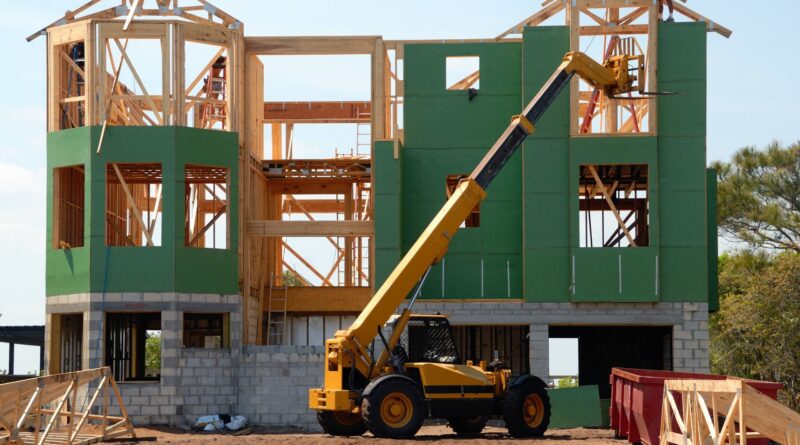
Site organization is a fundamental aspect of safety on residential projects, helping to reduce hazards, improve workflow efficiency, and create a more controlled working environment. Construction sites often involve multiple trades, materials, tools, and equipment operating within a limited space, making proper planning essential to prevent accidents and delays. Clearly designated storage areas, unobstructed walkways, and efficient waste management practices all contribute to a safer and more productive project. Companies that are in this type of industry opt for dumpster rentals most of the time. If you visit flrolloffrental.com, you can learn more about Tampa dumpster rental. It also highlights the importance of properly organized debris removal for maintaining clean, secure job sites. This article explores how site organization enhances safety on residential projects and why effective planning is critical to successful construction and renovation.
Reducing Hazards Through Proper Material Management
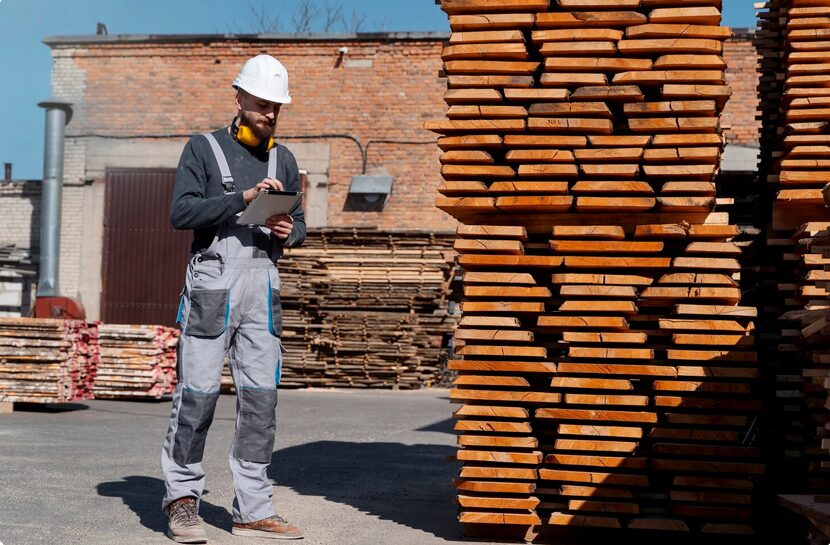
Construction materials are essential to residential projects, but they can also become safety hazards when stored improperly. Lumber, bricks, pipes, and other supplies can obstruct walkways or create unstable conditions if left in random locations. Effective site organization involves establishing designated storage areas that keep materials secure and accessible while avoiding interference with active work zones. Proper material management helps maintain clear pathways and reduces the risk of trips, falls, or injuries from misplaced items. By ensuring that supplies are organized and easy to locate, construction teams can maintain a safer environment while improving overall efficiency on the project site.
Supporting Emergency Preparedness and Response
Site organization is also valuable during emergencies when quick action may be required. In the event of an injury, fire, or other unexpected incident, clear access routes can significantly improve response times. Emergency personnel and workers must be able to reach affected areas without having to navigate unnecessary obstacles. Organized construction sites make it easier to identify exits, locate safety equipment, and access emergency resources when needed. This level of preparedness helps reduce delays during critical situations and supports a more effective response. Maintaining order across the site, therefore, contributes not only to accident prevention but also to improved emergency management capabilities.
Improving Access and Movement Across the Site
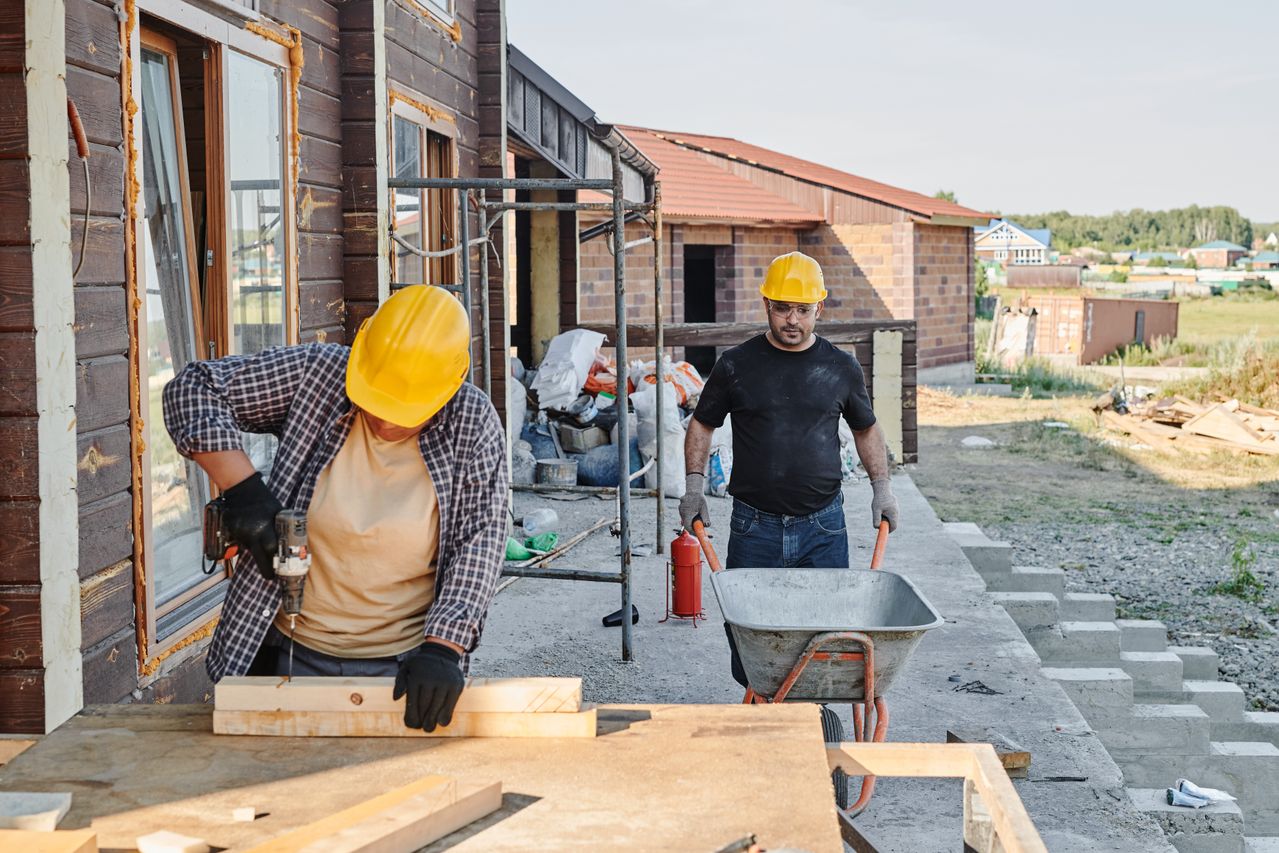
Safe movement is an important factor in residential construction safety. Workers frequently carry tools, transport materials, and move between different work areas throughout the day. A disorganized site can make these routine activities more difficult and increase the risk of collisions, slips, or other accidents. Organized layouts provide clearly defined routes for movement, allowing workers to navigate the site safely and predictably. Keeping access points free from clutter also ensures that equipment can be moved efficiently when needed. This improved accessibility contributes to a smoother workflow while supporting safer daily operations across all phases of construction.
Site organization is a fundamental element of safety on residential construction projects because it influences how workers interact with their environment every day. Proper management of materials, clear movement pathways, effective emergency access, and improved coordination all contribute to a safer workplace. While construction activities naturally involve certain risks, maintaining an organized site helps reduce many avoidable hazards. By creating a structured, orderly environment, project teams can support both productivity and safety, ensuring residential construction work progresses more efficiently and with fewer incidents.