
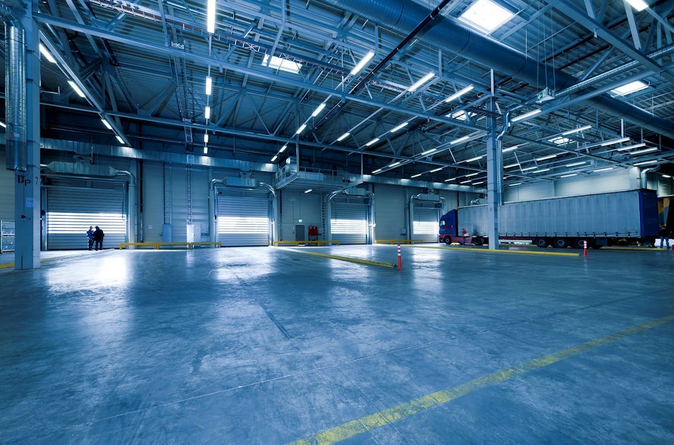
Key Features That Make a Warehouse Property Valuable
Warehouse properties have become increasingly important in today’s logistics-driven economy. With the rise of e-commerce, distribution networks, and supply chain optimization, warehouses are now essential assets for many businesses. Whether used for storage, manufacturing support, or logistics operations, the value of a warehouse property depends on several important features. Investors and business owners often look beyond the size of the building and evaluate aspects like location, accessibility, design, and operational efficiency. Understanding what makes a warehouse truly valuable can help buyers make smarter decisions and maximize long-term returns.
Strategic Location and Accessibility
One of the most important factors influencing the value of a warehouse property is its location. Warehouses that are close to major highways, ports, rail lines, or airports often attract higher demand because they reduce transportation costs and delivery times. Businesses rely on efficient logistics, so easy access to key transportation routes is a major advantage. Investors exploring warehouses for sale often prioritize areas near major distribution corridors or industrial hubs because these locations make it easier for tenants and operators to move goods quickly and efficiently. A well-placed warehouse can significantly improve supply chain performance and increase the property’s long-term appeal.
Efficient Layout and Flexible Design
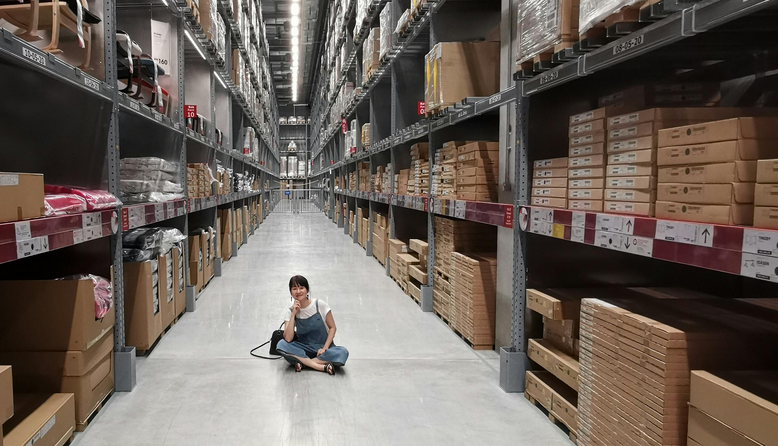
The internal layout of a warehouse can have a big impact on its functionality and value. A well-designed warehouse typically features wide aisles, high ceilings, and open floor space that allows for efficient movement of goods and equipment. Flexibility is also important because different businesses have different operational needs. A warehouse that can easily accommodate racking systems, automated equipment, or multiple storage configurations will appeal to a wider range of tenants and buyers. Properties that allow businesses to adapt their operations without major structural changes tend to hold greater long-term value.
Modern Infrastructure and Technology Readiness
As logistics operations become more advanced, warehouses must be equipped with infrastructure that supports modern technology. Features such as strong flooring for heavy machinery, sufficient electrical capacity, and reliable internet connectivity can make a big difference in operational efficiency. Many companies now use automation systems, smart inventory tracking, and robotics to streamline warehouse processes. A property that is already prepared for these technologies will be more attractive to potential buyers and tenants. Investing in infrastructure upgrades can also increase a warehouse’s competitiveness in the market.
Loading Facilities and Transportation Efficiency
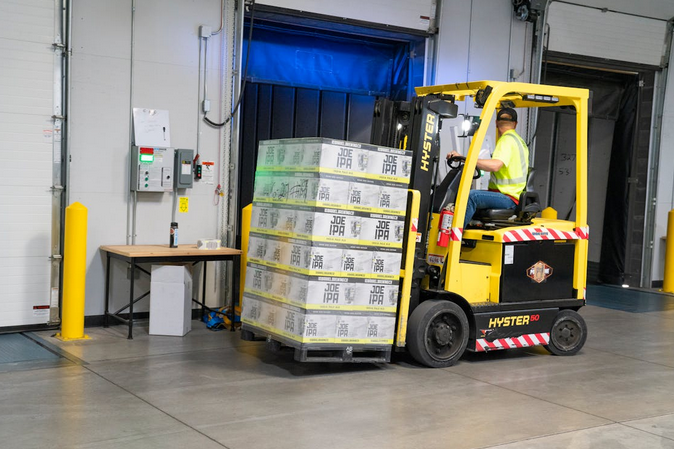
Loading docks and transportation access are critical components of a valuable warehouse property. Efficient loading areas allow trucks to move in and out quickly, which reduces delays and improves productivity. Warehouses with multiple dock doors, large truck courts, and drive-in access can handle higher volumes of shipments. This type of design is especially important for distribution centers that operate around the clock. When logistics operations run smoothly, businesses can reduce operational costs and maintain faster delivery schedules, making the warehouse far more desirable.
Strong Security and Safety Features
Security and safety are essential considerations for any warehouse property. Businesses store valuable inventory and equipment in these facilities, so strong protection measures are necessary. Features such as surveillance cameras, controlled entry points, fencing, and well-lit exterior areas can significantly increase a property’s appeal. Safety features inside the warehouse—such as fire suppression systems, emergency exits, and proper ventilation—also play a major role in protecting employees and goods. Warehouses that meet modern safety standards tend to attract more reliable tenants and maintain higher market value over time.
The value of a warehouse property goes far beyond its size or price. Location, accessibility, flexible design, infrastructure, and operational efficiency all contribute to its long-term potential. When these elements come together, a warehouse becomes a powerful asset for logistics operations and business growth. Investors and businesses who carefully evaluate these features are more likely to choose properties that deliver both immediate functionality and lasting value in a competitive market.