
Creative Toy Photography Tips and Tricks for Beginners
A hobby can be anything from playing sports and reading books to collecting stamps or playing with toys. Yes, many adults are still fascinated by toys, and they even take toy photography as a hobby. In fact, some love their blythe dolls and create such wonderful stories through their lens. We’re talking about toy photography – a genre of photography that involves making use of toys and miniatures to create interesting compositions, which the end product would be to make toys come alive. This type of photography can be both creative and fun, especially if you are a beginner in this field. Read on if you want to explore the beauty of toy photography.
Get Your Personal Favorite Toys and Photography Gear
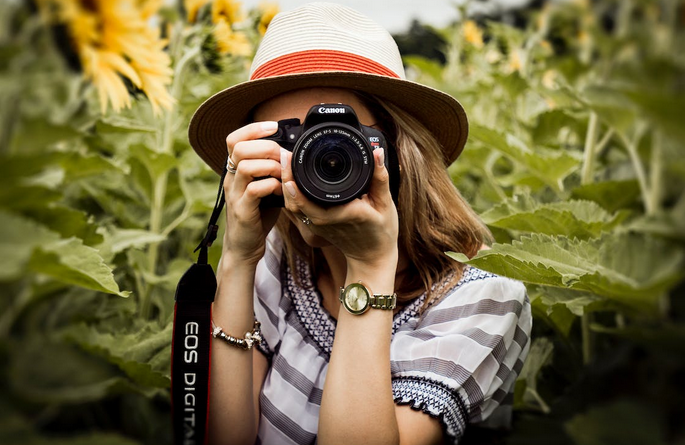
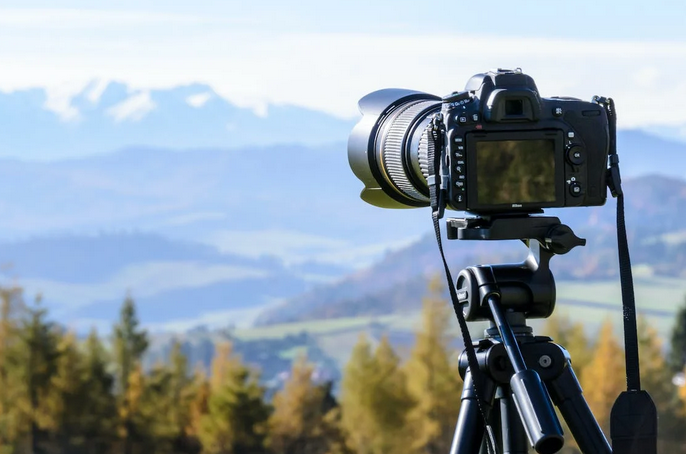
Since we’re talking about toy photography, it goes without saying that you’ll need toys and a camera to get started. Pick out your favorite toys, like action figures, Blythe dolls, Lego minifigures, and so on. Then, make sure they are in good condition. If possible, find accessories like miniature furniture, props, and backdrops that can add life to your photos. As for the photography gear, all you need is a basic DSLR camera or even just a smartphone with decent camera quality, a lens (preferably with wide-angle and macro features), and a tripod.
Frame Your Shots Carefully
Toy photography is all about telling stories using toys and props. When it comes to framing your shots, pay attention to the background as well as the foreground elements of the scene. Look for details that could add depth to your shots, like reflections in a pond or a small plant in the corner. As for the foreground, create scale by placing larger objects closer and smaller ones farther away from the camera. Without establishing the right scale, your photos may look unnatural and awkward.
Create Balance With Your Compositions
In addition, toy photography isn’t just about framing your shots perfectly. It’s also important to create balance with your compositions. When composing your photos, make sure the elements in the frame are distributed evenly so there is no imbalance. Also, think of ways to add balance with props or toys, like a pair of toy rabbits running across an uneven landscape or two action figures standing symmetrically on either side of a path.
Play With Lighting and Color
Lighting is a very important aspect of toy photography. Since most toys are rather small, you need to make sure they stand out in the frame. To achieve this, experiment with different lighting setups like natural light or even studio strobes. Also, play around with colors and try to create contrast between your background and subject by using complementary colors or warm and cool tones.
Finally, have fun with your toy photography. Think outside the box and come up with creative ideas for your photos. Play around with different settings, props, and poses to create unique shots that will leave a lasting impression on viewers. Who knows, you may even discover a hidden talent of yours in toy photography. Just be sure to take your time to practice and experiment.